

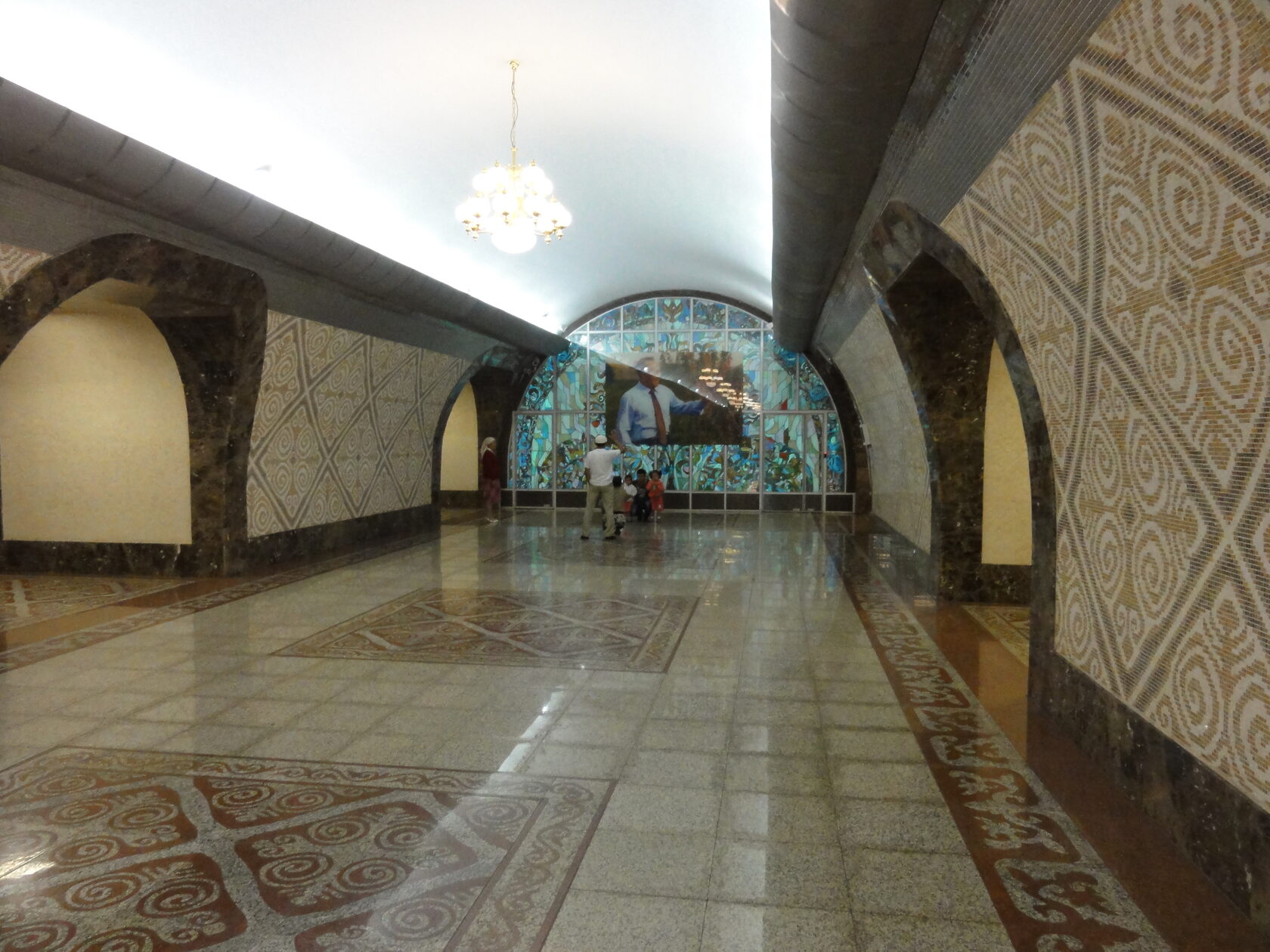
Organizations contact us when operators of metro transit systems, underground rail routes, and long utility tunnels must eliminate blind spots along running tunnels where traditional physical security systems degrade or prove cost-prohibitive.
Typical operational challenges our clients face:
Typical operational challenges our clients face:
- Monitoring kilometers of subsurface rail lines without trackside power feeds. Installing CCTV cameras and discrete field sensors every 50 meters requires continuous power cabling, lighting infrastructure, and frequent technician access during short nighttime maintenance windows. We connect the K-DAS interrogator to a standard telecommunication optical fiber cable already installed in the tunnel cable tray. The entire fiber optic line becomes an uninterrupted vibroacoustic sensor without a single powered electronic component along the tunnel route.
- Detecting unauthorized track intrusions and access via ventilation shafts. Optical cameras inside tunnels face line-of-sight obstructions around curved track sections, dust clouds stirred by trains, and complete darkness. K-DAS captures ground vibration profiles: foot traffic on concrete slabs or ballast, tampering with ventilation shaft grilles, and perimeter breaches near tunnel portals. Operations centers receive precise intrusion coordinates within meters, allowing dispatchers to direct security teams straight to the incident site.
- Preventing transit accidents caused by track obstructions and structural faults. Tunnel cladding, cable trays, or maintenance equipment can fall onto the trackbed. The system registers acoustic impacts from objects striking the ground and identifies abnormal vibration signatures during train passes, highlighting localized trackbed settlement or emerging rail cracks.
- Automating alert verification within existing control center platforms. K-DAS streams alert data via standard protocols into deployed video management systems (VMS) and physical security information management (PSIM) platforms. When acoustic anomalies occur within a tunnel section, the system automatically slews adjacent pan-tilt-zoom cameras toward the target chainage marker and displays live video on the dispatcher console for visual verification.